The event highlights advancements in physical AI for robotics, digital health breakthroughs, and next-generation vehicle technology
CES 2026 Highlights: The event concluded with a 4% growth in participation, highlighting advancements in physical AI for robotics, digital health breakthroughs, and next-generation vehicle technology
KoreWealth
4/1/20264 min read
CES 2026 wrapped up in Las Vegas with a solid 4% bump in participation, pulling in over 148,000 attendees from 141 countries. This wasn't just another tech circus—it marked a clear shift where AI stopped living only in apps and screens and started moving into the physical world. Robots got practical, health tech felt personal, and vehicles hinted at a future where driving might become optional. What stood out wasn't flashy hype alone, but how these ideas are edging closer to real homes, factories, and roads—especially in places like Nigeria where innovation often has to solve everyday grit with limited resources.
Physical AI: Robots That Actually Do the Work
The buzzword "Physical AI" dominated the floors. This isn't sci-fi anymore—it's AI that senses, reasons, and acts in messy real environments, not just processes data in the cloud.
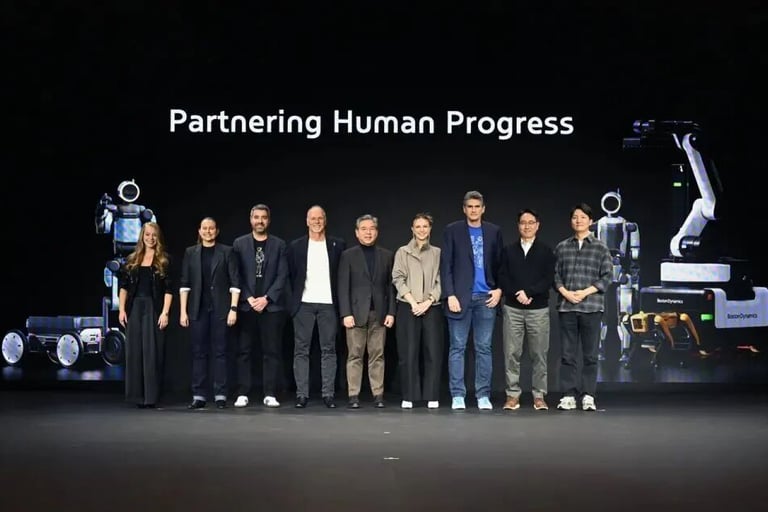
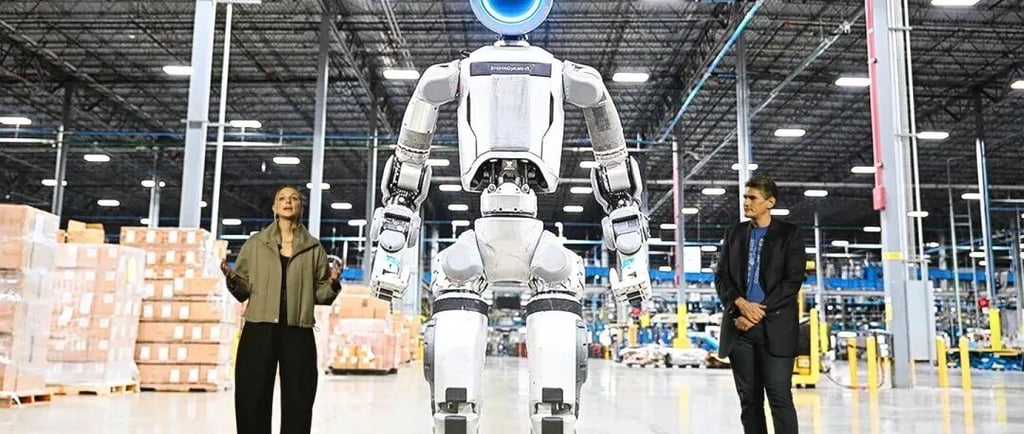
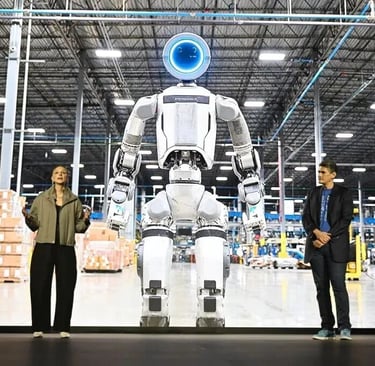
Humanoid robots took center stage, moving beyond viral dance videos to factory floors and homes. Boston Dynamics (backed by Hyundai) showed an updated Atlas ready for industrial tasks, with plans to deploy it in car plants by 2028 and scale production toward thousands of units. Other players like AgiBot and Fourier highlighted humanoids for logistics, hospitality, and even healthcare assistance.
NVIDIA pushed the intelligence layer hard with tools like Isaac GR00T models and simulation platforms, making it easier (and cheaper) to train robots for diverse tasks without endless custom coding. Qualcomm leaned into edge AI for power-efficient robotics.
On the home side, robots like Roborock's stair-climbing vacuum with legs and LG's CLOiD (folding laundry, loading dishwashers) showed chores getting automated in ways that feel useful rather than gimmicky. One standout was a small mobile bot that follows pets and records video—simple, but the kind of practical helper that could change daily life in busy households.
The takeaway? Robotics is hitting practical maturity. Labor shortages and AI breakthroughs are forcing real deployment, not just demos. For emerging markets, this could mean affordable assistants for agriculture, manufacturing, or elder care down the line—though cost and infrastructure will be the real tests.
Digital Health: From Gadgets to Genuine Support
Digital health kept accelerating, focusing less on isolated wearables and more on accessible, predictive, and personalized care. Innovations targeted early detection, outcome prediction, virtual nursing, and tools that help people live independently regardless of ability or location.
Highlights included AI headbands that use acoustic stimulation to help you fall asleep faster (one study claimed a 74% reduction in time to sleep), EEG-equipped headphones for brainwave monitoring (comfortable enough for daily or clinical use), and smart scales or belts aimed at bone health and longevity.
Lenovo's Quira AI assistant stood out as a potential "personal health coach," pulling data from apps and devices to give tailored advice on exercise, diet, and rest. There were surgical robots with haptic feedback (letting remote surgeons "feel" tissue resistance) and even robotic companions like a furry, heartbeat-simulating puppy designed for emotional support in senior care.
Accessibility was a big thread—AI and wearables breaking down barriers for independent living. In a world where healthcare access varies wildly, these point toward more seamless, at-home monitoring and virtual support that could bridge gaps in underserved regions. It's not replacing doctors, but making prevention and daily management smarter and more proactive.
Next-Generation Vehicle Technology: Smarter, More Autonomous Mobility
Vehicle tech at CES 2026 emphasized software-defined cars, AI reasoning, and advanced energy solutions. Solid-state batteries made notable appearances, promising faster charging and better range for EVs—critical for long-haul or hot-climate use.
Autonomous mobility advanced with robotaxis (including production-ready ones based on platforms like Lucid Gravity) and systems like NVIDIA's Alpamayo, which aims for more deliberate, human-like driving decisions rather than pure reaction speed. Sony and Honda's Afeela EV eyed customer deliveries later in 2026, while broader displays covered everything from e-bikes and hydrogen fuel cells to heavy-duty autonomous vehicles for construction and agriculture.
AI integration in cabins and manufacturing (digital twins, edge computing) was everywhere, alongside megawatt charging and smarter safety features. The shift feels like vehicles becoming platforms—constantly updating, learning, and potentially reducing the need for constant human input. For markets with growing urban mobility challenges or infrastructure limits, this could evolve into more efficient, shared, or rugged solutions tailored to local needs.
Why CES 2026 Mattered Beyond the Hype
With over 4,100 exhibitors (including 1,200 startups) spread across 2.6 million square feet, the event reinforced that tech is moving from "possible" to "practical." Physical AI in robotics, predictive digital health tools, and intelligent mobility aren't distant futures—they're prototypes getting real-world testing and early commercial traction.
The growth in attendance, especially among AI and robotics enthusiasts (+22% and +26% respectively in those tracks), shows the industry is betting big on embodiment—AI that touches the physical world. Yet, challenges remain: affordability, energy demands, ethical deployment, and making these advances relevant where power, connectivity, or skills aren't always abundant.
CES 2026 didn't promise utopia. It showed incremental, grounded progress—robots folding laundry, AI helping with sleep or bone health, vehicles thinking ahead. The real story will unfold in how these ideas scale, adapt, and deliver value in diverse contexts worldwide. If you're building or investing in tech that solves real problems, this edition signaled it's time to move from watching to integrating.
What caught your eye most from the show, or which area do you see having the biggest impact first? Let's discuss how these trends could play out locally.
Sources drawn from official CES reports and coverage for accuracy.