Hezbollah Missile Attack on Israel and Israeli Airstrikes in Beirut
Hezbollah Missile Attack on Israel and Israeli Airstrikes in Beirut (March 2, 2026)
KoreWealth
3/2/2026
Hezbollah Missile Attack on Israel and Israeli Airstrikes in Beirut (March 2, 2026)
On March 2, 2026, Hezbollah launched a significant missile and drone attack from Lebanon into northern Israel, marking the group's first major direct strike against Israel since the 2024 ceasefire agreement that ended over a year of intense hostilities. This escalation comes amid the broader ongoing conflict involving Iran, Israel, and the United States.
Hezbollah's Attack
Hezbollah claimed responsibility for firing a barrage of precision missiles and a swarm of drones targeting an Israeli military base near Haifa in northern Israel. The group described the operation as retaliation for the recent killing (or assassination) of Iran's Supreme Leader, Ayatollah Ali Khamenei, which has been attributed to US-Israeli actions. Hezbollah stated the strikes were in "revenge for the blood of the Supreme Leader" and in defense of Lebanon and its people against repeated Israeli aggressions.
Sirens sounded across northern Israel, including areas near Haifa.
The Israeli military reported intercepting incoming projectiles, with no immediate reports of casualties or significant damage from the Hezbollah attack on the Israeli side.
This was Hezbollah's entry into the fray as an Iran-backed proxy, assisting Tehran amid its direct exchanges with Israel and the US.
Israel's Response
Israel responded swiftly with airstrikes across Lebanon, focusing on Hezbollah strongholds:
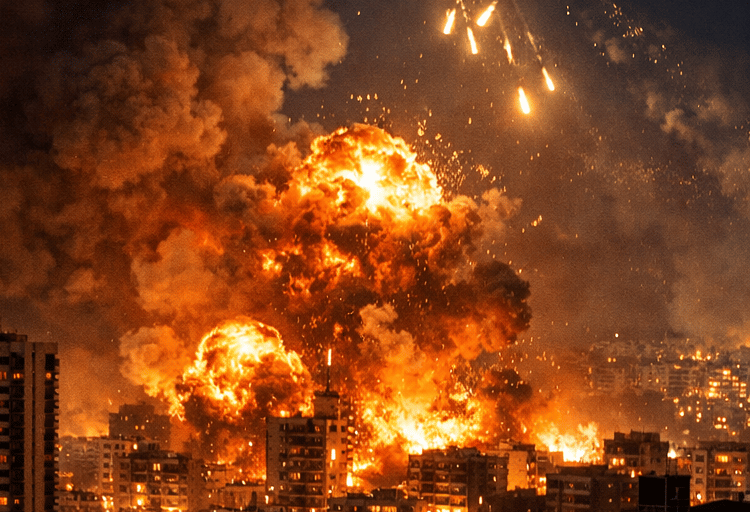
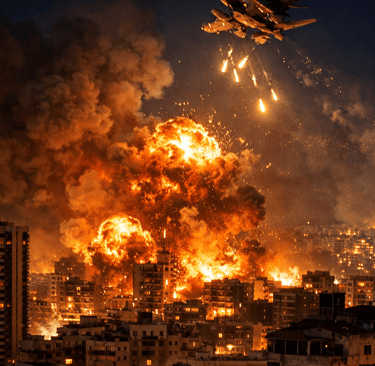
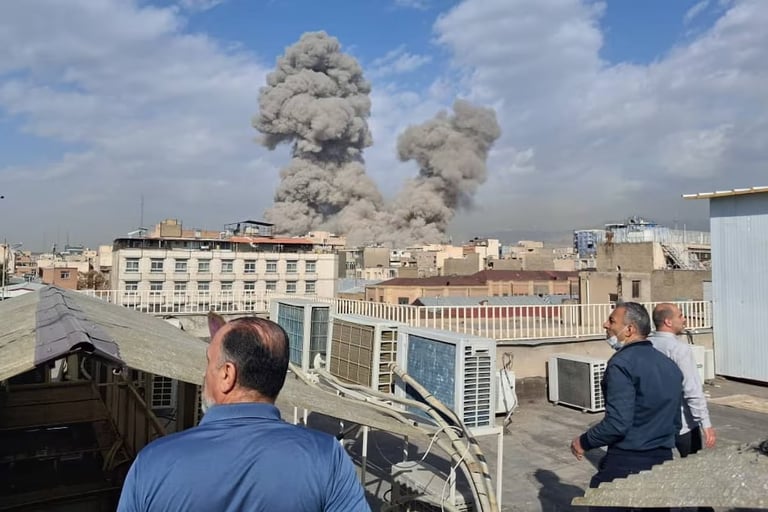
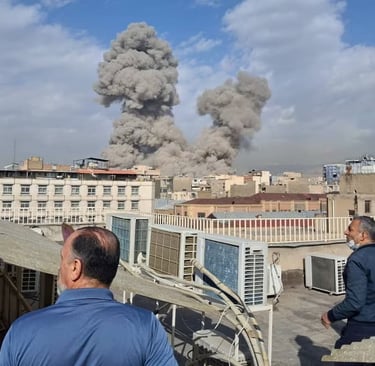
Heavy airstrikes targeted the southern suburbs of Beirut (Dahiyeh area, a known Hezbollah-controlled zone), including neighborhoods like Haret Hreik.
Additional strikes hit southern Lebanon and the Bekaa Valley.
The Israeli Defense Forces (IDF) stated the attacks targeted Hezbollah infrastructure, headquarters, senior members, and key figures.
More than a dozen explosions rocked Beirut starting around 2:40 a.m. local time, prompting mass evacuations. Residents fled on foot and by car, causing major traffic jams.
Lebanon's health ministry and state news agency (NNA) reported at least 31 people killed and 149 injured in the Israeli strikes (initial tallies; figures may update). Israel issued evacuation warnings for dozens of areas in southern and eastern Lebanon, advising civilians to move to open spaces ahead of potential further operations. The IDF vowed to intensify attacks and make Hezbollah pay a "heavy price."Broader Context and Escalation RisksThis incident is part of a rapidly widening Middle East conflict triggered by US-Israeli strikes on Iran following Khamenei's death. Iran has launched multiple missile waves against Israel and Gulf cities (e.g., explosions reported in Dubai, Abu Dhabi, Doha, and others). The Hezbollah strikes open a new front, raising fears of a full-scale regional war involving multiple actors.
Lebanese officials and the Prime Minister condemned Hezbollah's actions as "irresponsible," warning it provides Israel with excuses for escalation and risks dragging Lebanon into another devastating war.
This marks a breach of the 2024 Israel-Lebanon ceasefire, with analysts noting Israel may have been seeking an opportunity to target Hezbollah more aggressively.
Global implications include surging oil prices, market volatility, and heightened humanitarian concerns.
The situation remains fluid and highly volatile, with potential for further tit-for-tat exchanges. Sources include reports from Reuters, Al Jazeera, The Times of Israel, CNN, The Guardian, and others, reflecting developments as of early March 2, 2026.