AWS Data Centers in UAE and Bahrain
Drone Strikes on AWS Data Centers in UAE and Bahrain Cause Major Cloud Outage Across ME-CENTRAL-1 Region.
Korede Akinsanya (KoreWealth)
3/9/20263 min read
The AWS Cloud Disruption: Drone Strikes Hit Data Centers in UAE and Bahrain – A Major Outage in the Middle East
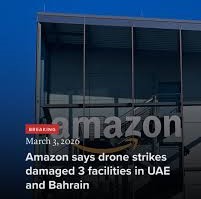
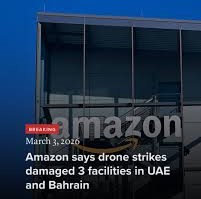
In an unprecedented escalation of geopolitical tensions into the digital infrastructure realm, a series of drone strikes attributed to Iran targeted Amazon Web Services (AWS) facilities in the United Arab Emirates (UAE) and Bahrain, beginning around March 1, 2026. This marked the first confirmed military attack on a major hyperscale cloud provider's physical infrastructure, causing widespread and prolonged disruptions across the ME-CENTRAL-1 (Middle East UAE) region and affecting services in the nearby Bahrain region (ME-SOUTH-1).
What Happened: Timeline of Events
The incidents unfolded amid broader conflict in the Middle East, following reported U.S. and Israeli strikes on Iran over the prior weekend. Iranian sources, including state-affiliated media, confirmed the targeting of AWS sites, citing the company's alleged support for U.S. military and intelligence activities (particularly relevant for the Bahrain facility near U.S. naval presence).
March 1, 2026 (starting ~4:30 AM PST / 12:30 PM GST): An AWS Availability Zone (mec1-az2) in the UAE was struck by objects (later confirmed as drones), causing sparks, fire, and immediate power shutdowns. Fire suppression efforts led to additional water damage in some areas. This initially impacted EC2 instances, EBS volumes, RDS databases, and elevated error rates across dozens of services.
Subsequent strikes (March 1–2): A second UAE facility was directly hit, taking out another Availability Zone (mec1-az3). In Bahrain, a drone strike landed in close proximity to an AWS site, causing physical damage and localized power issues in one zone.
AWS's ME-CENTRAL-1 region operates with three Availability Zones for redundancy. With two zones (mec1-az2 and mec1-az3) severely impaired or offline, the region's design limits—intended to handle single-zone failures—were overwhelmed, leading to cascading failures.
By March 2, AWS officially confirmed on its health dashboard:
"In the UAE, two of our facilities were directly struck, while in Bahrain, a drone strike in close proximity to one of our facilities caused physical impacts to our infrastructure. These strikes have caused structural damage, disrupted power delivery to our infrastructure, and in some cases required fire suppression activities that resulted in additional water damage."
Recovery was described as "prolonged," with AWS advising customers to migrate workloads to other regions due to the unpredictable security environment.
Scale of the Impact
The outage affected over 109 AWS services in the ME-CENTRAL-1 region, including core offerings like:
EC2 (compute instances)
S3 (object storage)
DynamoDB, Lambda, RDS (databases)
Networking, APIs, and many others
Businesses and services reliant on the region—ranging from regional fintech, e-commerce, ride-hailing (e.g., Careem), payment platforms, and government/digital services in the UAE—experienced significant downtime, degraded performance, or complete unavailability. Some reports noted disruptions lasting 36+ hours initially, with partial recovery ongoing into the following week. As of early March 2026 updates, full restoration remained in progress, and the AWS dashboard continued to show ongoing issues in the affected regions.This event highlighted vulnerabilities in cloud infrastructure located in geopolitically volatile areas, raising questions about the rapid expansion of Big Tech data centers in the Gulf amid hopes of positioning the region as an AI and tech hub.
Broader Implications
Experts from sources like Uptime Institute and IDC noted this as a watershed moment:
It exposed the physical risks to cloud providers in conflict zones, potentially accelerating investments in resilience (e.g., missile defense considerations for data centers, multi-region redundancy, or geographic diversification).
It underscored that while cloud services are designed for high availability against technical failures, they remain vulnerable to physical threats like military action.
For customers: This serves as a stark reminder to implement robust disaster recovery plans, including cross-region replication and failover strategies.
AWS has emphasized that global services remained largely unaffected, but the localized impact in the Middle East was severe and long-lasting.
As the situation evolves, stay tuned to the official AWS Health Dashboard for the latest updates. In an era where digital infrastructure intersects with global conflicts, events like this may reshape how companies approach cloud sovereignty, risk assessment, and regional expansion.